November 6, 2026
How a Gin Bar Can Introduce You to New Distilleries
By @cashxiyj852
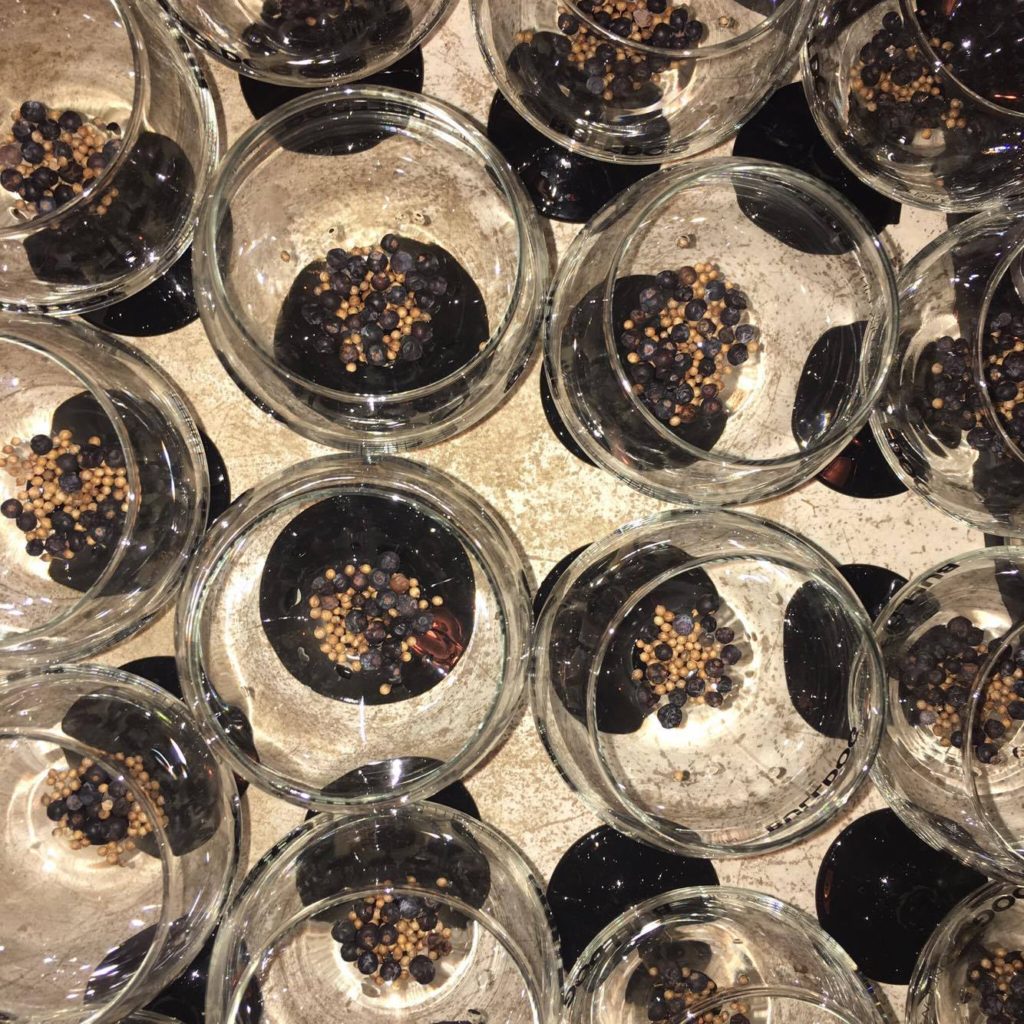
A good gin bar does more than pour a familiar London dry with tonic and a wedge of lime. At its best, it acts like a map of the modern spirits world, one that helps drinkers move beyond brand recognition and into real discovery. For anyone curious about where gin is heading, from coastal distilleries using local botanicals to small producers reviving older styles, a thoughtful gin bar can become the easiest and most enjoyable place to learn.
That role matters more than it used to. Gin has expanded far beyond a handful of global labels. Walk into a serious bar now and you might find a lineup that includes classic juniper-forward bottles, citrus-led contemporary gins, navy strength expressions, barrel-rested releases, and regionally distinctive spirits made in tiny volumes. For a guest standing at the rail, that kind of choice can be exciting, but it can also be paralyzing. This is where the bar itself, and especially the person behind it, becomes useful. A well-run Gin Bar narrows the field, translates producer stories into something tangible, and offers a low-risk way to try a distillery you may never have encountered on a retail shelf.
The important point is that discovery in a bar is not random. It is usually curated. Every bottle that makes it onto a back bar competes for limited space, staff attention, and guest interest. When a venue commits space to emerging or lesser-known distilleries, it is making a quiet editorial choice. It is saying this bottle is worth your time.
Why bars are often better than shops for discovery
Retail has obvious strengths. You can compare prices, study labels, and take a bottle home. But retail also asks for commitment. Buying an unfamiliar gin often means spending the full bottle price based on a recommendation, a design, or a brief tasting note on a shelf tag. In a bar, the stakes are lower and the feedback is immediate.
A single pour lets you test your own palate against a distillery’s house style. You might learn that a bottle praised for its floral lift is exactly what you dislike, or that a spicy, root-heavy gin works beautifully for you in a stirred martini but not with tonic. That sort of practical knowledge is hard to gain from packaging alone. In service, context sharpens perception. Glassware, dilution, temperature, garnish, and mixer all shape what you notice.
There is also the matter of sequence. A smart bartender will not just point to an obscure label and hope for the best. They will often guide you from the familiar toward the new. If you usually drink Beefeater or Tanqueray, they may pour something with a similar juniper backbone but a different accent, perhaps brighter citrus, more coriander, a savory herb note, or a saline finish. That gentle progression is one of the reasons bars are such effective gateways to new distilleries. Discovery feels less like a gamble and more like a conversation.
I have seen this happen countless times in serious spirits programs. A guest asks for their “usual” gin and tonic. The bartender asks one extra question, something simple like whether they prefer crisp, floral, or peppery profiles. Five minutes later, that guest is talking about a distillery from Scotland, Spain, Japan, Australia, or a small regional producer they had never heard of before. That is not salesmanship in the empty sense. It is sensory matchmaking.
The back bar tells a story before anyone speaks
People often underestimate how much they can learn from a back bar. In a strong gin program, bottle selection is rarely accidental. The range usually reflects a philosophy. Some bars lean classic and historical, using the category to teach structure and style. Others focus on geography, stocking bottles from across Europe, the Americas, and the Asia-Pacific region to show how local ingredients influence flavor. Some prioritize independent producers and seasonal releases. However the collection is assembled, it gives guests clues about what the bar values.
A lineup with ten versions of the same global bestseller is saying one thing. A lineup that includes established benchmarks alongside new, small-batch names is saying another. The latter setup invites exploration because it frames unknown bottles as part of a broader category rather than as risky outliers.
This matters particularly with gin because the category is so botanically expressive. A whisky bar can introduce you to different cask types, grains, and distillation traditions, but gin communicates personality quickly. Even one pour can show the hand of a distiller. Was the recipe built around bright citrus peels? Is there a medicinal angle from angelica and spice? Does the spirit carry a green freshness from herbs gathered near the distillery? Those decisions create a signature, and a bar with enough variety lets you compare signatures side by side.
The strongest bars make those comparisons easy to read. Menus that mention origin, key botanicals, or intended serve can turn a wall of glass into a usable guide. A simple line such as “coastal, saline, grapefruit, best in a dry martini” is often enough to spark a new order from a curious guest.
Bartenders function as interpreters, not just servers
The person pouring your drink is often the difference between a bottle remaining obscure and a bottle gaining a following. Distillery stories can be charming, but they are not always useful in their raw form. Guests generally do not need a lecture on still design unless they ask for it. What they need first is translation. How does this gin taste? What does it do well? Why should I choose it over the bottle I already know?
A skilled bartender can answer that in plain, practical language. They know when to lead with flavor and when to lead with occasion. They might say, “If you like a very dry martini, this bottle keeps the juniper firm but adds a waxy lemon-peel note,” or “This distillery uses a lot of local herbs, so the gin opens up with tonic but can seem aggressive neat.” Those are the sorts of observations that help guests form trust.
Trust is what introduces people to new distilleries, not novelty on its own. Most guests do not walk into a bar actively seeking obscure producers. They want a good drink. Once they feel the staff can steer them well, they become open to unfamiliar labels.
There is also real value in hearing where a distillery sits in the larger picture. For example, a bartender might explain that one producer represents a more traditional, juniper-first style, while another belongs to the modern school that pushes softer florals and fruit. Or they may note that a certain distillery has become known for local sourcing rather than for a historical style. Those distinctions help a guest remember not just the name on the bottle, but why it stood out.
Flights, half pours, and side-by-side tasting change everything
The fastest route to understanding new distilleries is comparison. A single neat pour can be enjoyable, but side-by-side tasting reveals far more. Put two or three gins in front of someone, especially if they are framed around a theme, and even an inexperienced drinker starts to notice differences with surprising accuracy.
One of the best examples is the classic comparative flight: a traditional London dry next to a citrus-forward contemporary gin and then a more unusual regional bottling built around local botanicals. Taste them neat first, then with a small splash of water, then perhaps with tonic. Suddenly the category opens up. Juniper intensity, texture, alcohol integration, and botanical balance become concrete rather than abstract.
This is where a gin bar can introduce distilleries in a way that retail almost never can. You are not just trying a bottle. You are placing it in relation to others. That context matters because flavor memory is comparative by nature. Most people do not remember isolated tasting notes very well. They remember that one gin felt sharper than another, or that one producer’s spirit stayed present under tonic while another disappeared.
The practical formats that help most are straightforward:
- Half pours for neat tasting before ordering a full cocktail
- Curated flights built around style, region, or production approach
- Mini martini serves that show how a gin behaves with dilution
- Split gin and tonics, where two distilleries are served with the same tonic and garnish
None of this needs to be theatrical. In fact, simpler is usually better. The goal is clarity. When the same tonic, ice style, and garnish are used across two different gins, the differences belong to the spirit, not to the performance around it.
Cocktails can reveal a distillery’s personality as clearly as neat pours
There is a persistent idea among some spirits enthusiasts that the only “serious” way to assess a gin is neat. Neat tasting certainly has value, especially if you want to understand structure without interference. But cocktails often reveal a distillery’s personality just as effectively, and sometimes more honestly.
Gin is designed to be mixed. The question is not whether a bottle tastes impressive on its own. The better question is what happens when it meets vermouth, quinine, citrus, sugar, or dilution. Some small distilleries make wonderfully aromatic gins that smell marvelous neat but fade under tonic. Others seem restrained on first sip and then become beautifully expressive in a martini. A bar is one of the few places where you can test that in real time.
For guests looking to explore new producers, a bartender might steer them toward a serve that suits the spirit rather than defaulting to the same cocktail every time. A spice-driven gin may perform best in a negroni where bitterness and sweetness can meet it head-on. A delicate floral gin might be better in a very cold, lean martini with a restrained vermouth ratio. A bright citrus gin may become much more articulate in a simple gin and tonic than in a sour where lemon would blur its character.
This matching process is one of the most educational parts of a quality Gin Bar. You begin to understand that distilleries are not competing only on whether their gin tastes “good.” They are making stylistic choices that favor certain drinks, certain garnishes, and certain drinking occasions.
Regional identity is easier to grasp when you can taste it
One of the great pleasures of modern gin is seeing how place enters the glass. Unlike categories governed by stricter production rules, gin gives distillers room to speak in a local accent. That flexibility has encouraged producers to use ingredients that reflect climate, landscape, and culinary culture.
A bar with an international or even strongly regional selection can introduce you to that sense of place faster than reading about it ever could. A Mediterranean gin may carry rosemary, olive, thyme, basil, or citrus in a way that feels unmistakably warm and savory. A northern coastal distillery may emphasize sea buckthorn, kelp, or other saline elements that produce a bracing finish. A producer in a forested region may bring fir, spruce, or resinous herbs into the mix. Not every local botanical makes a gin better, and some “regional” concepts feel more like marketing than flavor, but many distilleries do achieve a real expression of place.
That expression comes into focus when staff can connect the flavor to something familiar. Saying a gin has a “piney” note is useful. Saying it reminds you of walking past crushed rosemary and wet stone after coastal rain is more memorable, provided it is accurate and not overblown. Good bar teams learn how to bridge technical tasting language and ordinary sensory memory.
Guests also tend to discover that regional identity does not always mean eccentricity. Some of the most compelling newer distilleries build local character on a classic frame. They respect the need for juniper clarity while adding enough regional nuance to make the bottle distinct. Those are often the producers that win repeat orders rather than one-time curiosity.
Menus and staff picks can uncover bottles you would miss otherwise
The average guest scans a menu quickly. Familiar names tend to grab attention first. That is why curation on paper matters almost as much as curation on the shelf. A thoughtful menu can make a lesser-known distillery feel approachable by giving it a clear role.
I have seen bars do this well in several ways. Some include short descriptors tied to flavor rather than prestige. Some rotate a “bartender’s current favorite” with a sentence explaining why it is worth trying. Others highlight one distillery each month and feature it in more than one serve, allowing guests to taste how the same gin behaves across formats.
What works best is specificity. “Craft” tells a guest very little. “Juniper-led, bitter orange, cracked pepper, stands up well in tonic” tells them far more. Likewise, “small-batch” is not a flavor. It may indicate scale, but scale alone does not justify an order. Distillery introduction works when menus and staff communicate useful distinctions instead of generic virtues.
This is also where price strategy comes in. If every lesser-known bottle sits at a steep premium over more familiar brands, curiosity drops. The smart bars I have known often keep at least a few exploratory pours within easy reach, almost as loss leaders for guest education. Once a drinker has a positive experience with a new distillery, they are more willing to trade up later.
Events and guest shifts create memorable entry points
Some of the strongest introductions to new distilleries happen during focused events. A guest shift with a brand ambassador, a tasting evening led by a bar manager, or a temporary menu built around one producer can give a distillery enough context to make it stick in a guest’s memory.
These events work best when they stay practical. Guests do not need a scripted speech. They need a chance to taste, compare, and ask direct questions. What botanicals define the house style? Why was this proof chosen? Does the gin behave differently in tonic than in a martini? What makes this distillery distinct from five others in the same price range?
The bars that handle these nights well usually balance education with restraint. Too much technical detail can flatten enthusiasm. Too little detail turns the event into advertising. The sweet spot is a format where the guest leaves with a sensory takeaway. They remember that one distillery excelled in a gimlet because the citrus snapped into place, or that another kept its structure beautifully in a very cold fifty-fifty martini.
These occasions also give smaller producers something they often struggle to achieve in retail: a human face. Meeting the founder or hearing directly from the person who developed the recipe can create loyalty, provided the product in the glass supports the story.
Not every bar is equally useful for discovery
It is worth saying plainly that the words “gin bar” on a sign do not guarantee a meaningful experience. Some venues carry a large selection but offer little guidance. Others stock unusual bottles mainly for visual impact, with staff who have not tasted half of them. Discovery requires more than inventory.
A bar is genuinely helpful when a few things are true at once:
- The staff can describe flavor differences clearly and without jargon overload
- The menu gives enough information to narrow choices
- There are flexible ways to taste before committing to a full drink
- The bar uses serves and garnishes that suit the spirit rather than masking it
- The selection includes both known benchmarks and lesser-known distilleries
When those conditions are missing, novelty can become noise. Guests order at random, rely on label design, or retreat to familiar brands. That is not failure, exactly, but it is a missed opportunity.
There is another edge case worth noting. Some bars chase unusual gins so aggressively that classic anchors disappear. That can be counterproductive. New distilleries make the most sense when tasted against reference points. A guest trying a wild herbaceous bottle for the first time benefits from being able to compare it to a standard London dry or a more conventional modern gin. Without that baseline, the experience may feel interesting but hard to interpret.
How to use a gin bar as your own research tool
If your goal is to discover new distilleries, it helps to approach the bar with a bit of intent. You do not need to be an expert, but a little structure improves the experience. Tell the bartender what you usually enjoy and what you dislike. Be specific. “I want something smoother” is vague. “I like juniper and citrus, but I do not love heavy floral notes” is useful.
Then let the tasting build gradually. Start with one familiar point of reference and one new recommendation nearby in style. If you enjoy both, branch outward. If you hate the new one, ask what drove that reaction. Was it the level of spice, the sweetness of the tonic pairing, the garnish, or a particular botanical family? That kind of feedback often leads to a much better second suggestion.
It also pays to notice format. If you are evaluating distilleries rather than just chasing the best immediate drink, try at least one neat or half-neat taste, even if your normal order is mixed. A tiny sip before tonic or vermouth enters the picture can tell you a lot about the producer’s core spirit. After that, see how it behaves in the serve the bartender recommends.
Keep simple notes if you want to remember bottles later. Not a full tasting journal, just enough to capture what mattered. Juniper-heavy, bright lemon, peppery finish, better in martini than tonic. That is plenty. Over time, patterns emerge. You may discover that you gravitate toward gins from certain regions, or that you consistently prefer producers that keep juniper front and center.
A bar can turn curiosity into lasting allegiance
What begins as a single unfamiliar pour often grows into a broader interest. Many people first encounter a future favorite distillery not on a store shelf, but through a bartender who knew exactly when to place that bottle in front of them. The setting matters. The recommendation matters. The ability to taste without overcommitting matters.
That is the quiet strength of a serious gin bar. It shortens the distance between obscurity and appreciation. It gives newer or smaller distilleries a fair hearing in the glass, where reputation matters less than performance. It helps drinkers build vocabulary, trust their own preferences, and move past the handful of labels they already know.
For distilleries, that kind of introduction is invaluable. For guests, it makes drinking more interesting. Instead of ordering by habit, you begin to order with attention. One bottle leads to another, then another, and before long the category feels larger, more local, more international, and more alive than you expected.
The next time you step Gin Bar The Winslow into a Gin Bar, it is worth looking past the bottle you already recognize. Somewhere on that shelf is a distillery you have not met yet, and a good bar knows exactly how to introduce you.
The Winslow
243 E 14th St
New York, NY 10003, United States
Phone: +1 212-777-7717
FAQ About Gin Bar
How to do a gin tasting?
Start with a small pour and gently smell the gin before taking a small sip. Notice its juniper, citrus, floral or spice notes, then compare how the flavor changes with a little water or tonic. At a gin bar, ask the bartender to explain the selection and botanical pairings.
How to make the best tasting gin and tonic?
Use chilled gin, fresh tonic and plenty of ice. A common starting ratio is one part gin to two parts tonic, adjusted to taste. Choose a garnish that complements the gin's botanicals and stir gently to preserve the bubbles.
What is the smoothest tasting gin?
There is no single smoothest gin for everyone. Perceived smoothness depends on the botanical recipe, alcohol strength, serving temperature and mixer. Describe whether you prefer citrus, floral, herbal or juniper-forward flavors so a bartender can suggest a suitable style.
❧